April 2024
Early Spring at ClunyThe garden is coming to life again very quickly after a wet winter with some ra..
more
Early Spring at ClunyThe garden is coming to life again very quickly after a wet winter with some ra..
more
2024 Seed list and Organised tours 2024
2024 SEED LIST
To see the range of seeds we sell please go to the "Find Out More Pages" and c..
more
2024 SEED LIST
To see the range of seeds we sell please go to the "Find Out More Pages" and c..
more
Red squirrels and other wildlife in the garden
The numerous red squirrels at Cluny are very active throughout most of the day but especially when t..
more
The numerous red squirrels at Cluny are very active throughout most of the day but especially when t..
more
Latest News
April 2024
Early Spring at Cluny
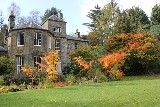
The garden is coming to life again very quickly after a wet winter with some rather gusty winds mainly from the west. Temperatures have dropped on a couple of occasions to -6C, nothing like the coldest temperatures which have been recorded here in the past. Snow cover has been minimal and it has disappeared quickly. Many of the plants at Cluny do require snow to protect them from frost.
At present there are Asiatic primulas in flower, along with Dentaria (or Cardamine) and the beginning of the Trillium and Erythronium season. The latter carpet the garden in pinks, yellow and white while the former come in purple and white with different shaped flowers and spotted or not spotted leaves! Some leaves are beginning to sprout and the first cherries are about flower.
Along with much bird song, busy squirrels and a sunny day, it is a joy to be in the garden!
2024 Seed list and Organised tours 2024
2024 SEED LIST
To see the range of seeds we sell please go to the "Find Out More Pages" and check out a copy of the 2023 seed list. If you would like to order seed from our 2024 list please send your email address to wmattingley@btinternet.com We sell seed packets at Cluny throughout much of the season. We will stop posting seeds out in late March.
ORGANISED TOURS 2024
If you have the opportunity of organising a group of eight or more people (up to 20), we will happily provide a guide for free. Organised visits in the evenings can also be arranged. We have limitations on the size of bus which can access the garden.
Red squirrels and other wildlife in the garden
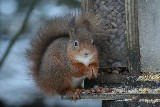
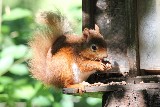
The numerous red squirrels at Cluny are very active throughout most of the day but especially when they are fed around 0900-0930 with hazelnuts, sunflower seed, fruit and peanuts. Apart from at the feeders, if you go around the garden quietly, taking your time you should see the squirrels foraging on the ground or scampering off up a tree. No 5, at the Big Tree is a good spot to sit and watch them for as long as you want.
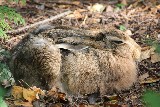
Pine martens do visit the garden probably mainly at night although they have been seen during the day as well. Wandering badgers also visit. An ermine stoat has been seen on occasions and by tracks in the snow we know a hare has been around. He/she has also polished off some of our kalettes!
Many woodland bird species are present including 3 types of tits, bullfinch, treecreeper, chaffinch, greenfinch, goldcrest, great spotted woodpecker, nuthatch, blackbird, long-tailed tit, jackdaw, song and mistle thrushes and now much better numbers of house sparrow. Jays frequent the bird feeders and buzzards and ravens are regular overhead most days. Red kites are also now being seen more frequently. Always a good idea to keep a look out above!